Start Seeing Ingredients Differently
To begin, learning to reduce food waste starts with a simple mindset shift. Instead of treating ingredients as disposable, start viewing them as flexible and reusable.
For example, a soft Carrot still carries flavour, while Celery tops often contain more aroma than the stalks. In addition, Broccoli stems, Onion skins, and Herb stems all have value when used correctly. Rather than asking if something is still good, ask how it can be used.
As a result, you begin to cook more intentionally. Not only do you reduce food waste, but you also stretch your grocery budget and improve overall flavour.
Turn Scraps Into Flavour With Stock
Next, one of the easiest ways to reduce food waste is by making homemade stock. This process transforms scraps into a valuable ingredient.
Start by keeping a freezer container for vegetable scraps. As you cook, add Onion skins, Carrot peels, Celery ends, Garlic cloves, Mushroom stems, and Herb stems. Over time, this builds a strong flavour base at no additional cost.
Once the container is full, transfer the scraps to a pot, cover with water, and add a small amount of salt. Then, simmer gently for two to four hours. After straining, you are left with a rich stock that can be used in soups, sauces, or grains.
Ultimately, this simple habit helps reduce food waste while improving the depth of your cooking.


Use Pickling to Extend Freshness
In addition to stock making, pickling offers another reliable way to reduce food waste. It allows you to preserve vegetables before they spoil.
To begin, slice Cucumbers, Red Onions, Carrots, Jalapeños, or Cabbage. Then, combine vinegar, water, salt, and a small amount of sugar to create a brine. Pour the mixture over the vegetables and refrigerate.
Within a few hours, the vegetables begin to transform. Not only do they last longer, but they also add acidity and crunch to meals. As a result, pickling helps reduce food waste while enhancing flavour.


Build Deeper Flavour Through Fermentation
Meanwhile, fermentation takes preservation one step further. Instead of adding acid, it creates it naturally over time.
For example, shredded Cabbage mixed with salt releases its own liquid. When packed tightly into a jar and kept submerged, it ferments over several days. This process creates sauerkraut that is tangy, stable, and full of flavour.
Similarly, peppers can be fermented into hot sauce or other condiments. Although this method requires patience, it significantly helps reduce food waste by extending the life of ingredients.

Shop Smart With Discounted Meat and Produce
At the same time, smart shopping plays a major role in your ability to reduce food waste. Discounted sections often contain perfectly usable ingredients at a lower cost.
Start by checking for reduced labels on Meat, Poultry, and produce. If you plan to cook or freeze these items the same day, they become a great value.
When selecting meat, look for natural colour and proper packaging. Avoid anything with a strong odour or unusual texture. For produce, minor imperfections such as soft spots or wrinkles are usually acceptable. However, avoid mould or sour smells.
By shopping this way, you not only save money but also reduce food waste by giving these ingredients a second chance.
What to Do With It: Turn Discount Finds Into Meals
Of course, acting quickly is essential. Once you bring discounted items home, you need a plan to use them.
Soft vegetables such as Carrots, Peppers, and Zucchini work well in soups, sauces, or roasting. Meanwhile, wilted greens can be sautéed, added to soups, or frozen for later use.
In the case of discounted meat, cook it immediately or portion and freeze it. Likewise, overripe fruit can be frozen for smoothies or used in baking.
In addition, vegetables like Cabbage, Carrots, and Cucumbers can be pickled or fermented to extend their shelf life.
By taking action right away, you significantly reduce food waste and make the most of every ingredient.
Buy in Bulk Without Creating Waste


Buying in bulk can also help reduce food waste when done correctly. The key is to focus on ingredients you use regularly.
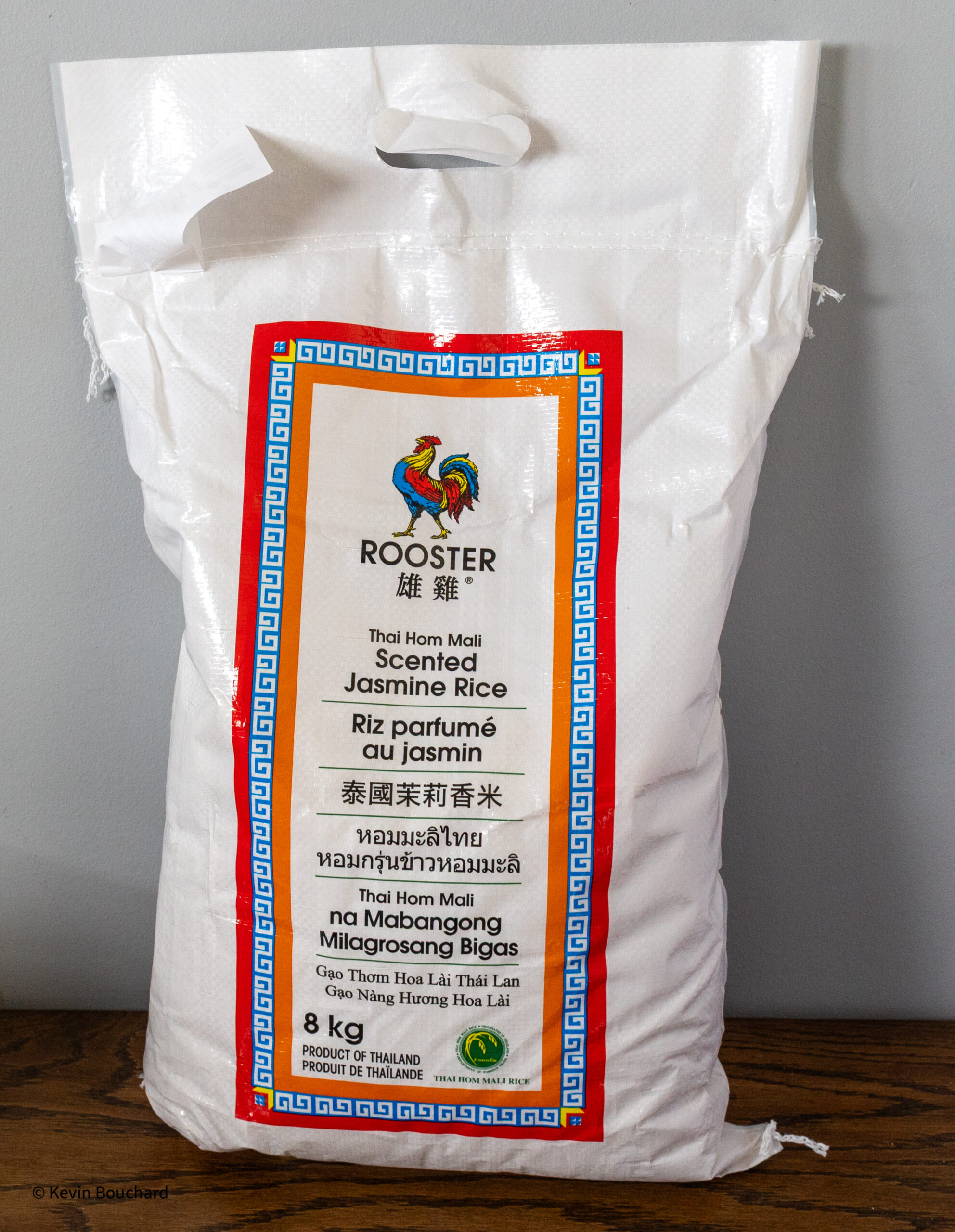
Staples such as Rice, Beans, Lentils, and Oats are ideal because they store well and support many meals. For proteins, portion and freeze immediately after purchase. This prevents spoilage and makes meal prep easier.
However, avoid buying large amounts of highly perishable items unless you have a clear plan. Otherwise, you risk increasing waste instead of reducing it.
When managed properly, bulk buying lowers cost while helping you reduce food waste over time.
Best Foods to Buy in Bulk and What to Avoid
Best Foods to Buy in Bulk
| Category | Ingredients | Why It Works | How to Use |
|---|---|---|---|
| Grains | Rice, Oats, Pasta | Long shelf life and low cost | Base for meals, soups, sides |
| Legumes | Beans, Lentils, Chickpeas | High in protein and versatile | Soups, stews, salads |
| Root Vegetables | Potatoes, Carrots, Onions | Durable and store well | Roasting, soups, stock |
| Frozen Proteins | Chicken, Ground Beef, Pork | Easy to portion and freeze | Batch cooking, quick meals |
| Pantry Staples | Flour, Sugar, Salt | Long lasting essentials | Baking, seasoning |
| Canned Goods | Tomatoes, Beans | Shelf stable and reliable | Sauces, soups |
| Fermentation Friendly | Cabbage, Carrots | Long storage potential | Pickling, fermentation |
Foods to Avoid Buying in Bulk
| Category | Ingredients | Why to Avoid |
|---|---|---|
| Leafy Greens | Spinach, Lettuce | Spoil quickly and are harder to preserve |
| Soft Fruits | Berries, Peaches | Overripen fast |
| Fresh Herbs | Cilantro, Parsley | Short lifespan unless preserved |
| Dairy | Milk, Soft Cheese | Limited shelf life |
| Bread | Fresh Loaves | Moulds quickly unless frozen |
Freezer Organization System That Helps Reduce Food Waste
Finally, a well organized freezer ties everything together. It allows you to store bulk purchases, preserve discounted items, and consistently reduce food waste.
First, portion food before freezing so you only thaw what you need. Next, label everything clearly with the name and date. In addition, freeze items flat to save space and improve efficiency.
Then, create simple zones for Meat, Cooked Meals, and Vegetables. At the same time, follow a first in, first out system to ensure older items are used first.
Finally, keep a basic inventory so you always know what you have. This prevents duplicate purchases and forgotten food.
When used properly, your freezer becomes a reliable tool that helps reduce food waste every day.
Reducing food waste and saving money go hand in hand
In the end, learning to reduce food waste comes down to simple habits. By using scraps, preserving ingredients, shopping smart, and staying organized, you can save money and cook more efficiently. Over time, these small changes lead to better meals and a more sustainable kitchen.
For more practical tips on how to reduce food waste at home, check out Love Food Hate Waste Canada.