Pickling vs. Fermenting
If you love bold flavours and crunchy vegetables, you’ve probably tried pickling or fermenting – maybe both. Even though they sit side by side on the shelf, these two methods work in completely different ways and create very different results.
Let’s break it down.

Pickling: Fast, Bright, and Vinegar-Forward
Pickling preserves vegetables with vinegar, salt, and sometimes sugar. The vinegar adds instant acidity, which stops harmful bacteria right away. Because of that, pickling delivers quick, reliable results.
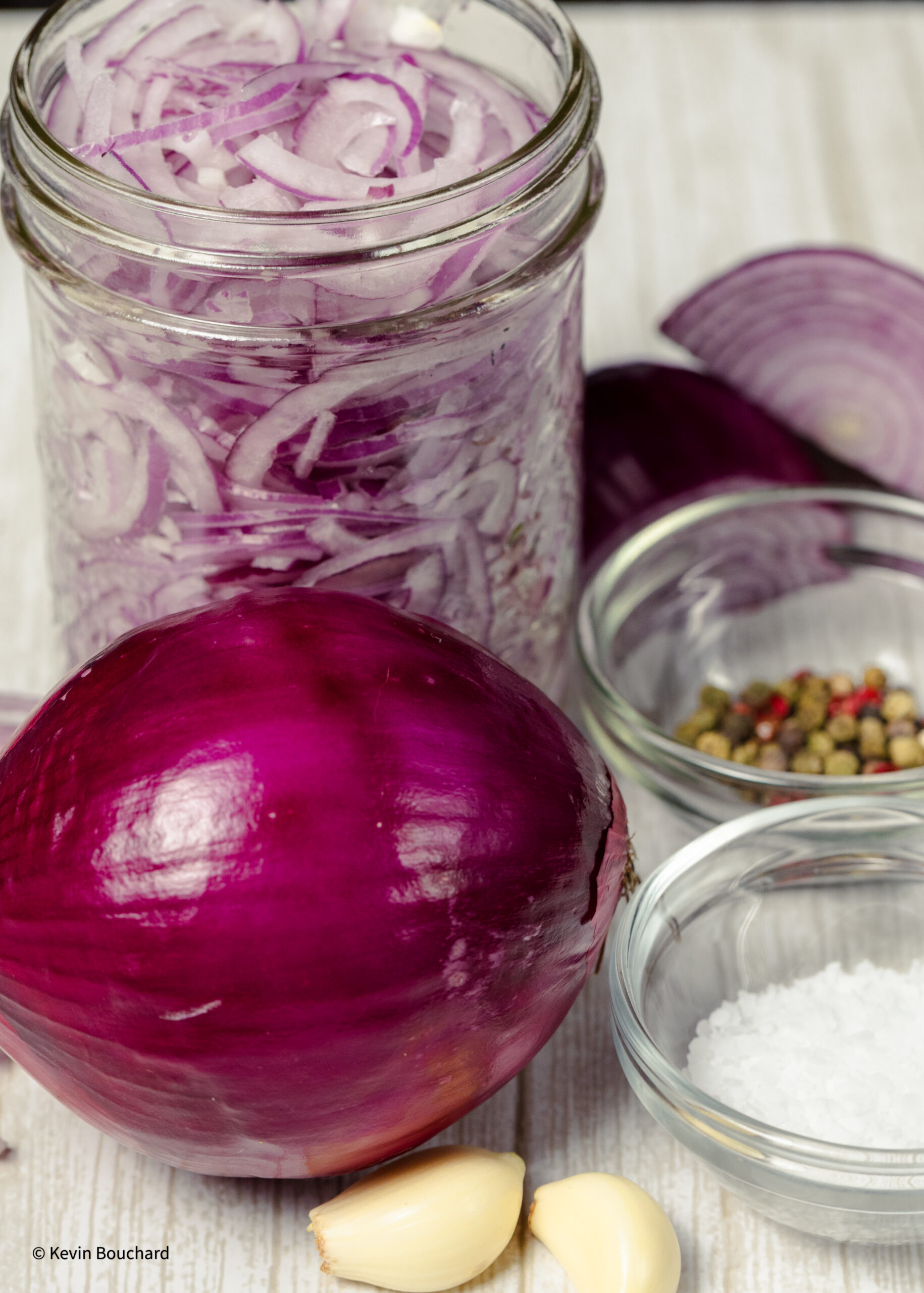
I use this method when I make Giardiniera, quick pickled jalapeños, and onions – especially when I want flavour today, not next week.
Home cooks choose pickling because it:
- Delivers results in hours or days
- Creates bright, punchy flavour
- Lets you control salt and sweetness
- Works perfectly for fridge storage or shelf-stable canning
Pickling adds sharp contrast to sandwiches, burgers, tacos, and charcuterie boards. It brings instant tang without waiting.
If you create food content or test new flavour combos, pickling also gives you fast turnaround for shooting and posting.

Fermenting: Slow, Funky, and Naturally Probiotic
Fermenting uses salt and time instead of vinegar. Natural bacteria convert vegetable sugars into lactic acid, which preserves the food while building deep flavour and beneficial probiotics.
Sauerkraut shows this process perfectly.
Rather than adding acid, fermentation creates it. Over several days or weeks, the vegetables soften, sour, and develop complexity.
Fermenting stands out because it:
- Builds gut-friendly probiotics
- Develops rich, savoury flavour
- Requires only salt and vegetables
- Changes over time, making every batch unique
Fermentation rewards patience. Each day adds depth, creating that signature tangy funk vinegar can’t replicate.
Pickling vs Fermenting: The Real Difference
Pickling
- Uses vinegar
- Produces fast results
- Creates bright, sharp flavour
- Contains no live cultures
Fermenting
- Uses salt and natural bacteria
- Takes days or weeks
- Builds deep, complex tang
- Contains probiotics
Neither method wins. Each serves a different purpose.
I pickle when I want speed and control. I ferment when I want depth and natural complexity.
Most home cooks eventually use both.
Final Thoughts
Pickling and fermenting each bring something powerful to your kitchen. Pickling delivers instant gratification. Fermenting builds flavour slowly and naturally.
Start with quick pickles if you’re new. Move on to fermented cabbage or carrots when you’re ready to slow things down. Either way, you’ll upgrade your homemade condiments, toppings, and sides – and you’ll never look at store-bought jars the same way again.
Click here for more on Pickling, a new window will open.
Click here for more on Fermentation, a new window will open.
Check out some of our Pickling Recipes
Check out some of our Fermenting Recipes
Disclaimer:
This content is intended as a general guide for home cooks and is based on personal experience and research. It is not a substitute for professional food safety advice. When pickling or fermenting, always follow tested recipes and proper food safety guidelines, including pH control and safe storage practices. Improper techniques can lead to foodborne illness. Cooking 360 assumes no responsibility for outcomes resulting from the use of this information.